Your home should be your sanctuary, but invisible threats may be compromising your family’s health right now. Indoor air contaminants like black mold, asbestos, and toxic spores can cause serious health problems that develop slowly over time, making them particularly dangerous because symptoms often go unnoticed until damage is done.
What Are Indoor Air Contaminants?
Indoor air contaminants are harmful substances that accumulate inside buildings, often at concentrations far higher than outdoor levels. The Environmental Protection Agency reports that indoor air can be 2-5 times more polluted than outdoor air, with some contaminants reaching levels up to 100 times higher indoors.
These invisible threats include biological contaminants (mold, bacteria, viruses), chemical pollutants (volatile organic compounds, formaldehyde), particulate matter, and fibrous materials like asbestos. Unlike outdoor pollution that disperses, indoor contaminants become trapped and concentrated in enclosed spaces.
Concerned about your indoor air quality? Our Comprehensive Indoor Air Quality Guide can help you identify potential solutions. Schedule a FREE professional assessment with Airgle today.
Black Mold: The Silent Health Destroyer
What Makes Black Mold So Dangerous?
Black mold (Stachybotrys chartarum) produces mycotoxins—toxic compounds that can cause severe health problems even in small quantities. Unlike common household molds, black mold thrives in consistently wet conditions and releases spores that remain airborne for extended periods.
Health Effects of Black Mold Exposure
Immediate Symptoms:
- Persistent coughing and throat irritation
- Chronic fatigue and headaches
- Eye and skin irritation
- Difficulty breathing or wheezing
- Nosebleeds and sinus congestion
Long-term Health Consequences:
- Neurological problems including memory loss and mood changes
- Chronic respiratory conditions
- Immune system suppression
- Potential link to autoimmune disorders
- In severe cases, pulmonary hemorrhage (especially dangerous for infants)
Where Black Mold Hides
Black mold requires constant moisture and often grows in hidden areas:
- Behind walls with plumbing leaks
- Under flooring in basements or crawl spaces
- Inside HVAC systems and ductwork
- Around windows with condensation problems
- In bathrooms with poor ventilation
- Attics with roof leaks or inadequate insulation
Don’t wait—early detection saves money and protects health. Learn about our Mold Preventative Measures and get peace of mind.
The Broader Mold Threat: Beyond Black Mold
Common Household Molds and Their Risks
Aspergillus
- Found in dust, powdery food items, and HVAC systems
- Can cause allergic reactions and lung infections
- Particularly dangerous for immunocompromised individuals
Penicillium
- Often found on water-damaged materials and spoiled food
- Produces allergens and irritants
- Can trigger asthma attacks
Cladosporium
- Grows on fabrics, wood surfaces, and in HVAC systems
- Causes respiratory symptoms and skin irritation
- Can worsen existing allergies
Alternaria
- Common in damp areas like showers and basements
- Linked to asthma development in children
- Produces potent allergens
The Mold Life Cycle and Why It Matters
Understanding how mold reproduces helps explain why it’s so persistent. Mold releases microscopic spores that can:
- Survive for years in dormant states
- Travel through air currents throughout your home
- Germinate when they find moisture and organic material
- Multiply exponentially under ideal conditions
A single mold colony can release millions of spores daily, turning a small problem into a house-wide contamination issue within weeks.
Asbestos: The Legacy Contaminant
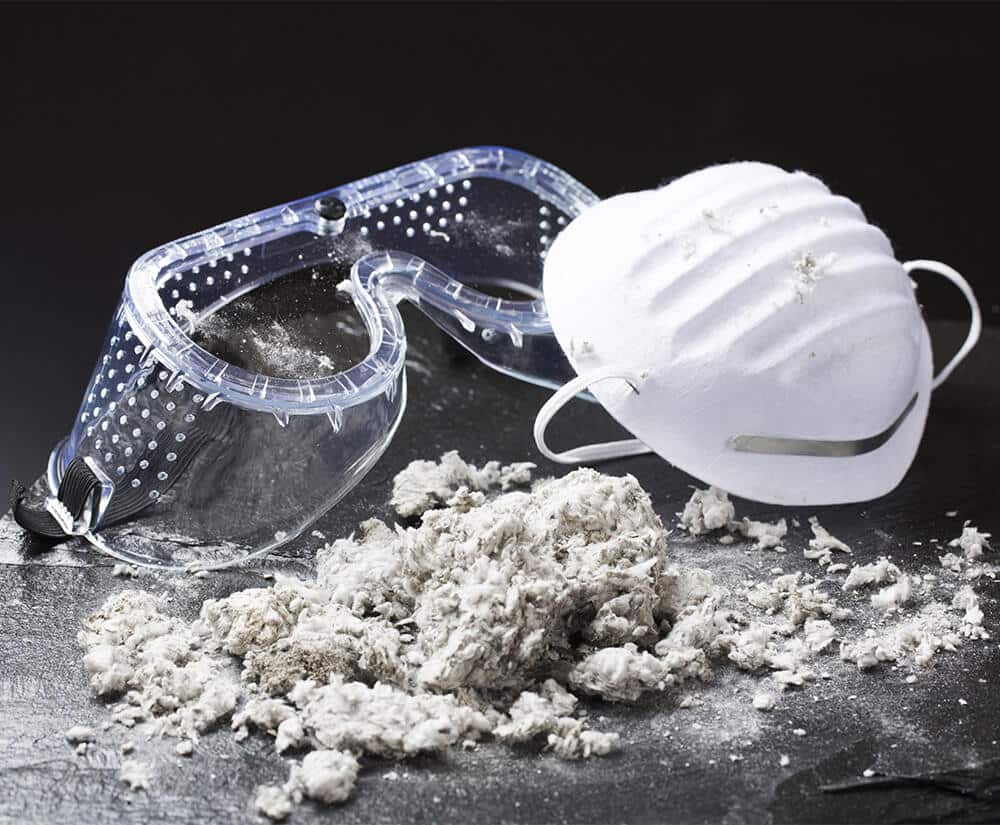
Why Asbestos Remains a Modern Threat
Although asbestos use was largely banned in the 1980s, millions of homes still contain asbestos-containing materials (ACMs). Any building constructed before 1980 likely contains some asbestos, and even newer buildings may contain asbestos in imported materials.
Health Risks of Asbestos Exposure
Mesothelioma
- Aggressive cancer affecting lung and abdomen lining
- Exclusively caused by asbestos exposure
- Often fatal within 12-21 months of diagnosis
- Can develop 20-50 years after exposure
Lung Cancer
- Risk increases with exposure duration and intensity
- Smoking combined with asbestos exposure multiplies risk by 50-90 times
- Often indistinguishable from other lung cancers
Asbestosis
- Progressive scarring of lung tissue
- Causes shortness of breath and reduced lung function
- No cure available—damage is permanent
- Can progress even after exposure ends
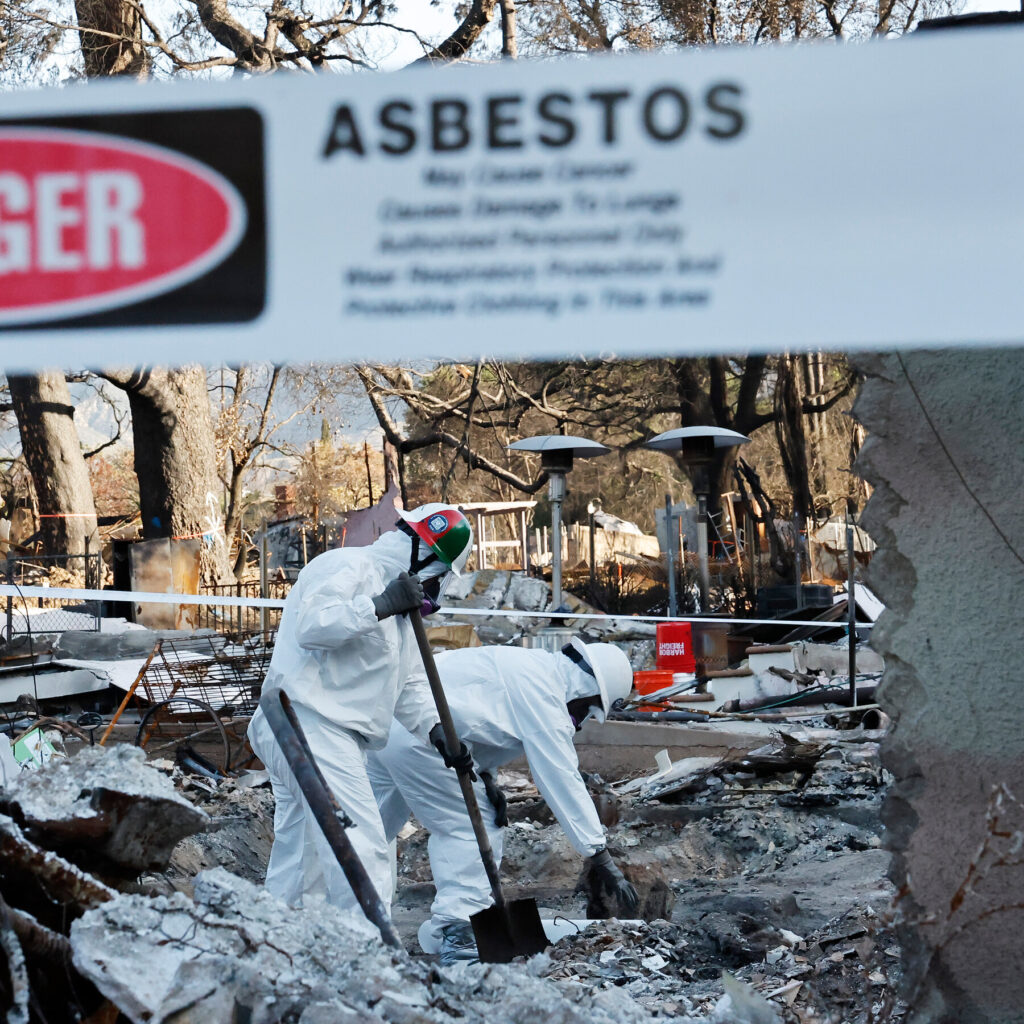
Common Sources of Asbestos in Homes & Facilities
- Insulation in attics, walls, and around pipes
- Vinyl floor tiles and adhesives
- Ceiling tiles and textured paints
- Roofing materials and siding
- Pipe insulation and boiler components
- Some older appliances and heat-resistant fabrics
Explore our Asbestos Preventative Solutions for Improved Environmental Quality
Dangerous Spores and Biological Contaminants

Fungal Spores: More Than Just Mold
Fungal spores from various sources can cause significant health problems:
Outdoor Spores That Infiltrate Indoors:
- Pollen from trees, grasses, and weeds
- Spores from outdoor fungi and yeasts
- Agricultural spores from nearby farming
Indoor-Generated Spores:
- Houseplant mold spores
- Spores from humidifiers and air conditioning units
- Food spoilage organisms
- Pet-related fungi
Bacterial Contaminants
Legionella
- Grows in water systems and can cause Legionnaire’s disease
- Spreads through aerosolized water droplets
- Particularly dangerous for older adults and immunocompromised individuals
Staphylococcus and Streptococcus
- Can become airborne and cause respiratory infections
- Often originates from human skin and respiratory secretions
- Concentrates in poorly ventilated spaces
Viral Contaminants
Viruses can survive in indoor air for extended periods:
- Influenza viruses remain viable for hours in dry conditions
- Respiratory viruses spread more efficiently in indoor environments
- Poor ventilation allows viral particles to accumulate
Chemical Air Contaminants: The Invisible Threat
Volatile Organic Compounds (VOCs)
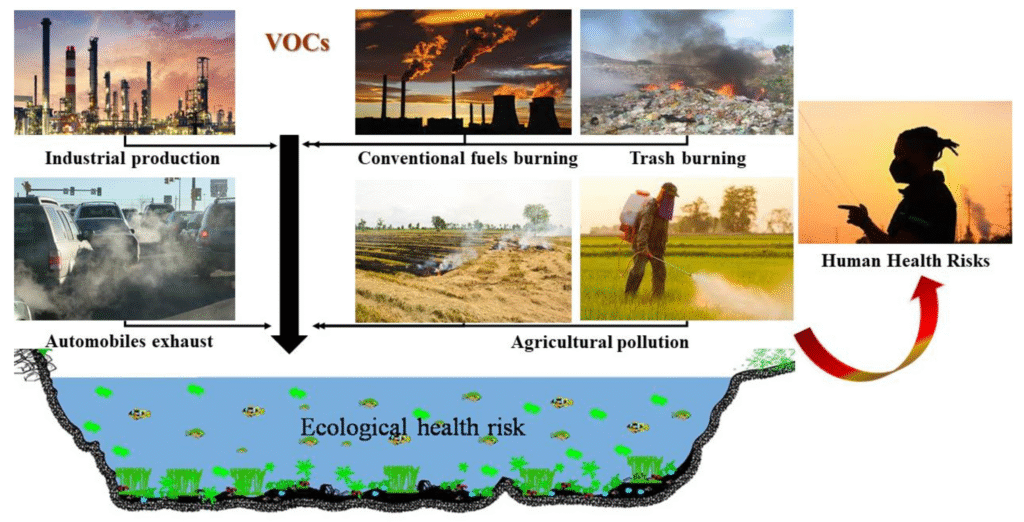
VOCs evaporate at room temperature and can cause both immediate and long-term health effects:
Common Indoor VOC Sources:
- Paint, varnishes, and wood stains
- Cleaning products and air fresheners
- New furniture and carpeting
- Adhesives and solvents
- Personal care products
Health Effects of VOC Exposure:
- Eye, nose, and throat irritation
- Headaches and dizziness
- Nausea and breathing difficulties
- Long-term exposure linked to cancer and organ damage
Formaldehyde: The Ubiquitous Chemical
Formaldehyde is found in numerous household products:
- Pressed wood products (plywood, particleboard)
- Permanent press fabrics and drapes
- Some insulation materials
- Household cleaners and cosmetics
Even low-level exposure can cause:
- Chronic respiratory irritation
- Skin sensitization
- Increased cancer risk with long-term exposure
Particulate Matter: The Microscopic Menace
Understanding PM2.5 and PM10
Particulate matter is classified by size:
- PM10: Particles 10 micrometers or smaller (visible dust)
- PM2.5: Particles 2.5 micrometers or smaller (invisible to naked eye)
- Ultrafine particles: Less than 0.1 micrometers
Indoor Sources of Particulate Matter
- Cooking, especially frying and grilling
- Tobacco smoke and vaping
- Burning candles and incense
- Fireplace and wood stove emissions
- Dust mites and pet dander
- Outdoor pollution infiltration
Health Impacts of Particle Exposure
Fine particles are particularly dangerous because they:
- Penetrate deep into lungs and bloodstream
- Trigger asthma and allergic reactions
- Increase risk of heart disease and stroke
- Can cross the blood-brain barrier
- Accumulate in organs over time
Radon: The Radioactive Risk
Understanding Radon Gas
Radon is a naturally occurring radioactive gas that:
- Seeps into homes through foundation cracks
- Accumulates in basements and lower levels
- Cannot be detected without specialized testing
- Is the second leading cause of lung cancer after smoking
Radon Risk Factors
Homes at higher risk include those with:
- Basements or crawl spaces
- Well water sources
- Construction on certain soil types
- Poor ventilation in lower levels
The Compound Effect: When Contaminants Combine
Synergistic Health Risks
Multiple contaminants often coexist and can amplify each other’s effects:
- Mold exposure weakens immune systems, making individuals more susceptible to other contaminants
- Chemical sensitivities can develop from combined VOC and particulate exposure
- Asbestos-related diseases are more likely in the presence of other lung irritants
The Sick Building Syndrome
When multiple indoor air quality issues combine, they can create Sick Building Syndrome, characterized by:
- Widespread health complaints among occupants
- Symptoms that improve when away from the building
- No identifiable single cause
- Poor indoor air quality as the common factor
Recognition and Early Warning Signs
Physical Symptoms to Monitor
Respiratory Indicators:
- Persistent cough that worsens at home
- Shortness of breath during normal activities
- Frequent sinus infections or congestion
- Wheezing or difficulty breathing at night
Neurological Symptoms:
- Unexplained headaches or dizziness
- Difficulty concentrating or memory problems
- Chronic fatigue not explained by other factors
- Mood changes or irritability
Physical Signs:
- Frequent nosebleeds
- Skin rashes or irritation
- Eye irritation or excessive tearing
- Recurring respiratory infections
Environmental Clues
Visual Indicators:
- Visible mold growth or water stains
- Musty or unusual odors
- Excessive dust accumulation
- Condensation on windows or surfaces
Structural Signs:
- Water damage or leaks
- Poor ventilation or stuffiness
- Recently disturbed older building materials
- Peeling or deteriorating surfaces
Experiencing these symptoms? Don’t ignore the warning signs. Our Complete Indoor Air Quality Assessment can identify the source and provide solutions.
Professional Testing and Assessment
When to Call Professionals
Professional testing becomes essential when:
- Health symptoms persist or worsen
- Visible contamination is present
- You’re planning renovations in older buildings
- Real estate transactions require disclosure
- Previous problems have occurred
Types of Professional Testing
Air Quality Testing:
- Mold spore counts and species identification
- VOC and chemical analysis
- Particulate matter measurements
- Radon level assessment
Material Testing:
- Asbestos identification in building materials
- Surface contamination analysis
- Water damage assessment
- Structural integrity evaluation
Understanding Test Results
Professional reports should include:
- Quantitative measurements with health-based standards
- Species identification for biological contaminants
- Comparison to outdoor levels where applicable
- Specific recommendations for remediation
- Timeline for follow-up testing
Immediate Actions You Can Take Today
Emergency Response Steps
If you suspect serious contamination:
- Stop any disturbance of suspected materials
- Isolate the affected area if possible
- Improve ventilation by opening windows and using fans
- Avoid DIY testing or cleanup of suspected asbestos or severe mold
- Document conditions with photos for professional assessment
- Seek medical attention if experiencing severe symptoms
Quick Prevention Measures
Ventilation Improvement:
- Use HEPA air purifiers in occupied rooms
- Open windows when weather permits
- Clean or replace HVAC filters regularly
- Ensure bathroom and kitchen fans vent outdoors
Moisture Control:
- Fix leaks immediately
- Use exhaust fans in bathrooms and kitchens
- Maintain indoor humidity below 50%
- Ensure proper drainage around foundation
Source Elimination:
- Choose low-VOC products when possible
- Store chemicals in well-ventilated areas
- Address water damage within 24-48 hours
- Regular cleaning to reduce dust and allergens
The Cost of Inaction
Health Care Costs
Untreated indoor air quality problems lead to:
- Increased medical expenses from chronic conditions
- Lost productivity due to illness
- Reduced quality of life for all occupants
- Potential long-term disability costs
Property Value Impact
Poor indoor air quality affects property values through:
- Disclosure requirements during sales
- Costly remediation demands from buyers
- Insurance claims and potential coverage issues
- Structural damage from moisture-related problems
Legal Implications
Property owners may face:
- Liability for tenant health problems
- Disclosure requirements in real estate transactions
- Workers’ compensation claims in commercial properties
- Regulatory violations and fines
Don’t wait until problems become expensive disasters. Our Preventive Air Quality Program helps protect your health and property value.
Building a Comprehensive Defense Strategy
Multi-Layered Protection
Effective indoor air quality management requires:
- Source control: Eliminating or reducing contaminant sources
- Ventilation: Diluting indoor pollutants with fresh outdoor air
- Air cleaning: Removing particles and contaminants from indoor air
- Moisture management: Preventing conditions that support biological growth
- Regular monitoring: Early detection of developing problems
Long-term Maintenance
Sustaining good indoor air quality involves:
- Scheduled HVAC system maintenance
- Regular professional inspections
- Prompt attention to water intrusion
- Ongoing education about new threats
- Updated prevention strategies as homes age
Take Action Today: Your Health Can’t Wait
Indoor air contaminants pose serious, often irreversible health risks that compound over time. The sooner you address potential problems, the better protected you and your family will be. Professional assessment is the only way to truly understand what threats may be present in your home.
Don’t gamble with your family’s health. Every day of exposure to dangerous contaminants increases your risk of developing serious health problems that could have been prevented with early action.
Ready to breathe safely? Contact a certified indoor air quality specialist at Airgle today for a Free Comprehensive Assessment/Consultation. Your health is worth the investment.