What is Indoor Environmental Quality (IEQ) and Indoor Air Quality (IAQ)?
Indoor Environmental Quality (IEQ) refers to ithe overall quality of a building’s environment, encompassing factors like air quality, lighting, temperature, and acoustics. Indoor Air Quality (IAQ), a critical component of IEQ, focuses specifically on the air within and around buildings, addressing pollutants, allergens, and pathogens that impact health and comfort. Poor IEQ can lead to respiratory issues, reduced productivity, and increased sick days, making it a priority across industries. This guide explores the importance of IEQ and IAQ, their health impacts, and actionable strategies for improvement.
Keyword Placement: Informational keywords here – “what is IEQ” (in H1 for SEO emphasis), “what is indoor air quality” (in first sentence for definition).
Why IEQ and IAQ Matter for Health and Productivity
Poor IAQ is linked to health issues like asthma, allergies, and infections, with the EPA noting indoor air can be 2–5 times more polluted than outdoor air. In workplaces, studies show good IAQ boosts productivity by 10–15% and reduces absenteeism. For example, a 2025 Harvard study found improved cognitive performance in offices with enhanced ventilation and lower VOC levels. Across sectors like healthcare, education, and hospitality, prioritizing IEQ ensures safer, more comfortable environments.
IEQ and IAQ Across Industries
Different sectors face unique IAQ challenges. Click our tailored guides below to discover how IEQ and IAQ apply to your industry and get practical insights right away.
• IAQ in Healthcare: Protecting Patients and Staff
• IAQ in Dental Clinics: Managing Aerosols (Roboto font, 16px, #007BFF blue link)
• IAQ in Allergy and Asthma Clinics: Allergen Control(Roboto font, 16px, #007BFF blue link)
• IAQ in Schools: Safe Learning Environments (Roboto font, 16px, #007BFF blue link)
• IAQ in Offices: Boosting Productivity (Roboto font, 16px, #007BFF blue link)
• IAQ in Hospitality: Enhancing Guest Experience (Roboto font, 16px, #007BFF blue link)
• IAQ in Government Facilities: Public Safety (Roboto font, 16px, #007BFF blue link)
• IAQ in Clean Rooms and Labs: Precision Air Quality(Roboto font, 16px, #007BFF blue link)
• IAQ in Beauty and Nail Salons: VOC Reduction (Roboto font, 16px, #007BFF blue link)
• IAQ in Homes: Allergy-Friendly Living (Roboto font, 16px, #007BFF blue link)
• Best Air Purifiers for Superior IEQ/IAQ (Roboto font, 16px, #007BFF blue link)
These resources provide industry-specific strategies to tackle common pollutants and improve air quality—explore one now to see immediate applications for your setting.
************Interlink: Links to each cluster page (styled as above).***************
Common Pollutants and Their Sources
Indoor air pollutants include:
• Mold: Thrives in humid environments, impacting respiratory health.
• Pathogens: Bacteria and viruses, like SARS-CoV-2 (Covid), spread in high-traffic spaces.
• VOCs: Emitted from paints, cleaning products, and salon chemicals.
• Particulates: Dust, pollen, and pet dander trigger allergies (0.003–10 microns).
Sources vary by setting—hospitals face pathogen risks, salons deal with chemical fumes, and schools contend with allergens. Understanding these pollutants is key to tailored IEQ solutions.

“Types of indoor air pollutants”
Measuring and Monitoring IEQ/IAQ
Effective IAQ management starts with measurement. Tools like air quality monitors detect PM2.5, VOCs, and CO2 levels. ASHRAE standards recommend 5–6 air changes per hour (ACH) in critical spaces like hospitals. Regular monitoring helps identify issues early, ensuring compliance with EPA or WHO guidelines. For example, CO2 levels above 1,000 ppm signal poor ventilation, risking occupant health.

“IAQ monitoring device in use”
Best Practices for Improving IEQ and IAQ
To enhance indoor environments:
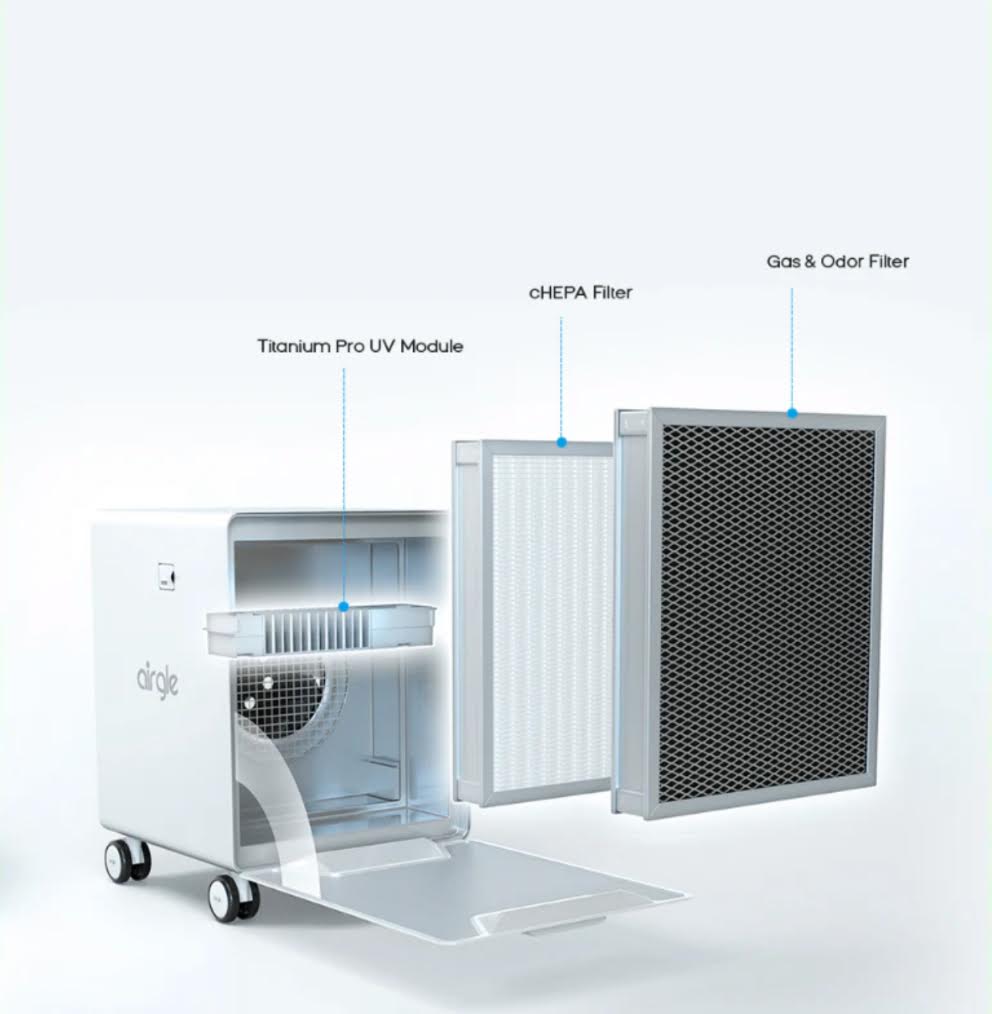
1. Filtration: High-efficiency filters capture ultra-fine particulates and allergens.
2. Humidity Control: Maintain 40–60% relative humidity to prevent mold and pathogen growth.
3. Source Control: Minimize VOC-emitting products, like low-VOC paints.
4. Regular Maintenance: Replace filters per manufacturer guidelines.
These strategies improve air quality across settings, from offices to clean rooms.
Keyword Placement: Commercial keywords – “best practices for improving IEQ” (in H2 for strategy focus), “top IAQ strategies” (in introduction sentence).
(Body: Open Sans font, 16px, #333333 dark gray; Numbered list: Indented 20px)
Image: Diagram of ventilation system (Alt: “How ventilation improves IAQ”; Border: #DDDDDD light gray, centered, 600x400px).
FAQs About IEQ and IAQ
Q: How can I improve indoor air quality? (Roboto font, 20px, #007BFF blue, bold)
A: Enhance ventilation, use high-efficiency filters, control humidity, and monitor air quality regularly. (Open Sans font, 16px, #333333 dark gray)
Q: What are the effects of poor IAQ on health? (Roboto font, 20px, #007BFF blue, bold)
A: Poor IAQ can cause respiratory issues, allergies, and reduced cognitive function, per EPA studies. (Open Sans font, 16px, #333333 dark gray)
Keyword Placement: Informational keywords – “how to improve indoor air quality” (in first Q), “effects of poor IAQ” (in second Q).
Schema: FAQ structured data via Yoast.
H2: Next Steps for Cleaner Air
(Roboto font, 28px, #007BFF blue, bold; Left alignment; Padding-top: 40px)
Start by booking a free virtual assessment or free on site assessment for your space’s Indoor Air Quality needs. Explore our industry-specific guides above or learn about advanced solutions in our air purifier guide. Clean air is an investment in health and productivity.
Keyword Placement: Commercial keywords – “advanced IAQ solutions” (implied in CTA for product tease); Navigational keywords – “air purifier guide” (in link text).
(Body: Open Sans font, 16px, #333333 dark gray)
Interlink: Link to product cluster and pillar.

Hello! We are interested in promising projects for investment. If you have an innovative idea or business model but lack the funding to implement it, we invite you to discuss support options. Call me on Whatsapp for quick communication